

A TEC LTD
Engineering Services
Optimize existing facilities. Increase efficiency. Secure the future.
Rising and fluctuating energy and fuel costs, increasing production demands, and the need for consistently high product quality are presenting the cement industry worldwide with new challenges. Optimizing and modernizing existing plants offers significant potential for sustainably increasing efficiency and competitiveness.
A TEC is one of the world's leading companies in the optimization and modernization of existing cement kiln systems. With customized process solutions, we reduce fuel and electricity consumption, increase production capacity, and improve the stability and efficiency of overall plant operations.
This transforms an existing plant into a more efficient, energy-efficient, and future-proof production solution.
Thanks to its extensive experience in the industrial production of cement and clinker, as well as in the field of waste treatment and recycling, A TEC is able to offer a wide range of services to customers in the cement industry:
- Process engineering studies, analyses, and simulations of existing plants as a basis for optimization
- Feasibility Study for Industrial Projects
- Preparation of documents for regulatory approvals
- From individual technical applications to turnkey systems.
Please let us know your specific requirements and
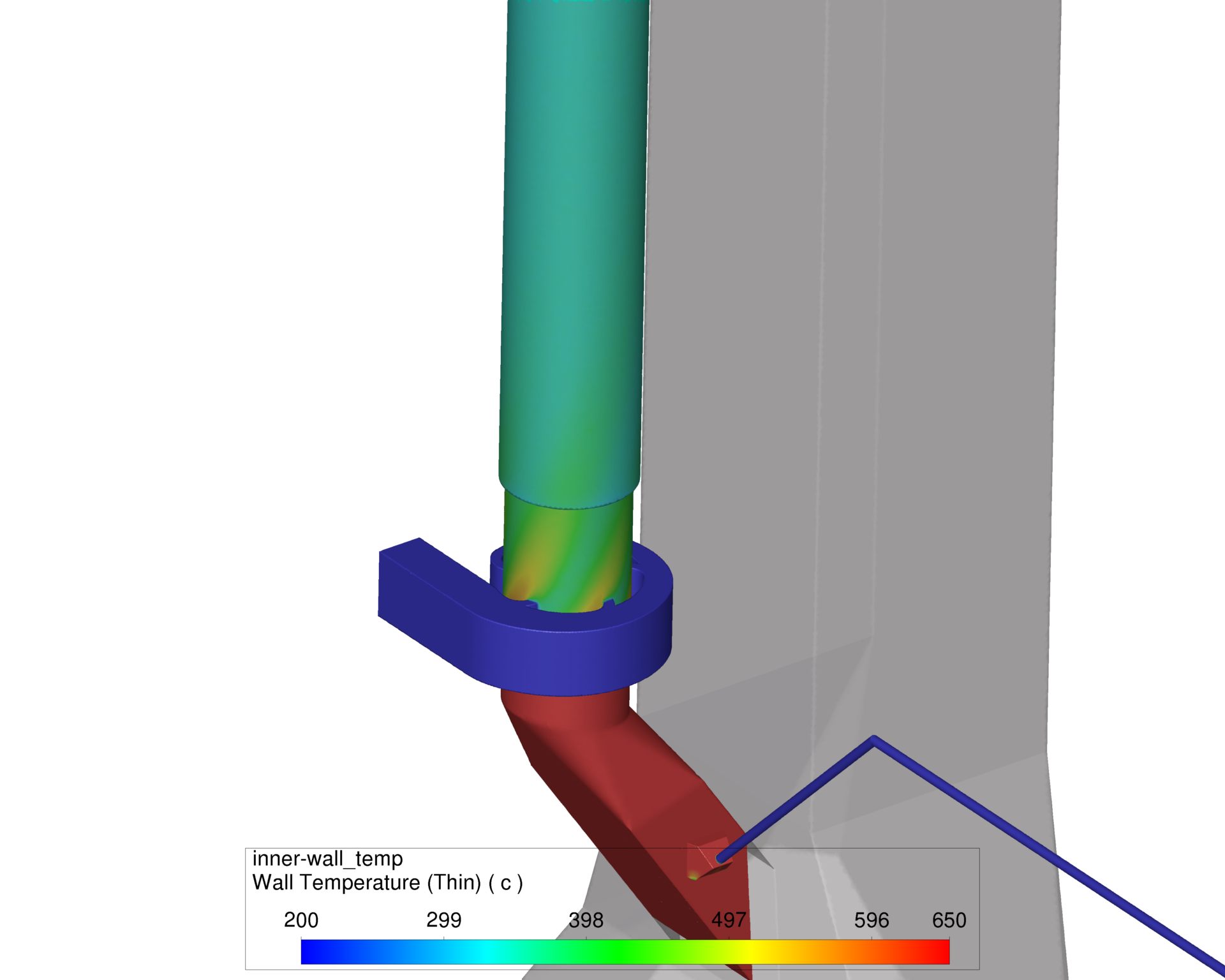
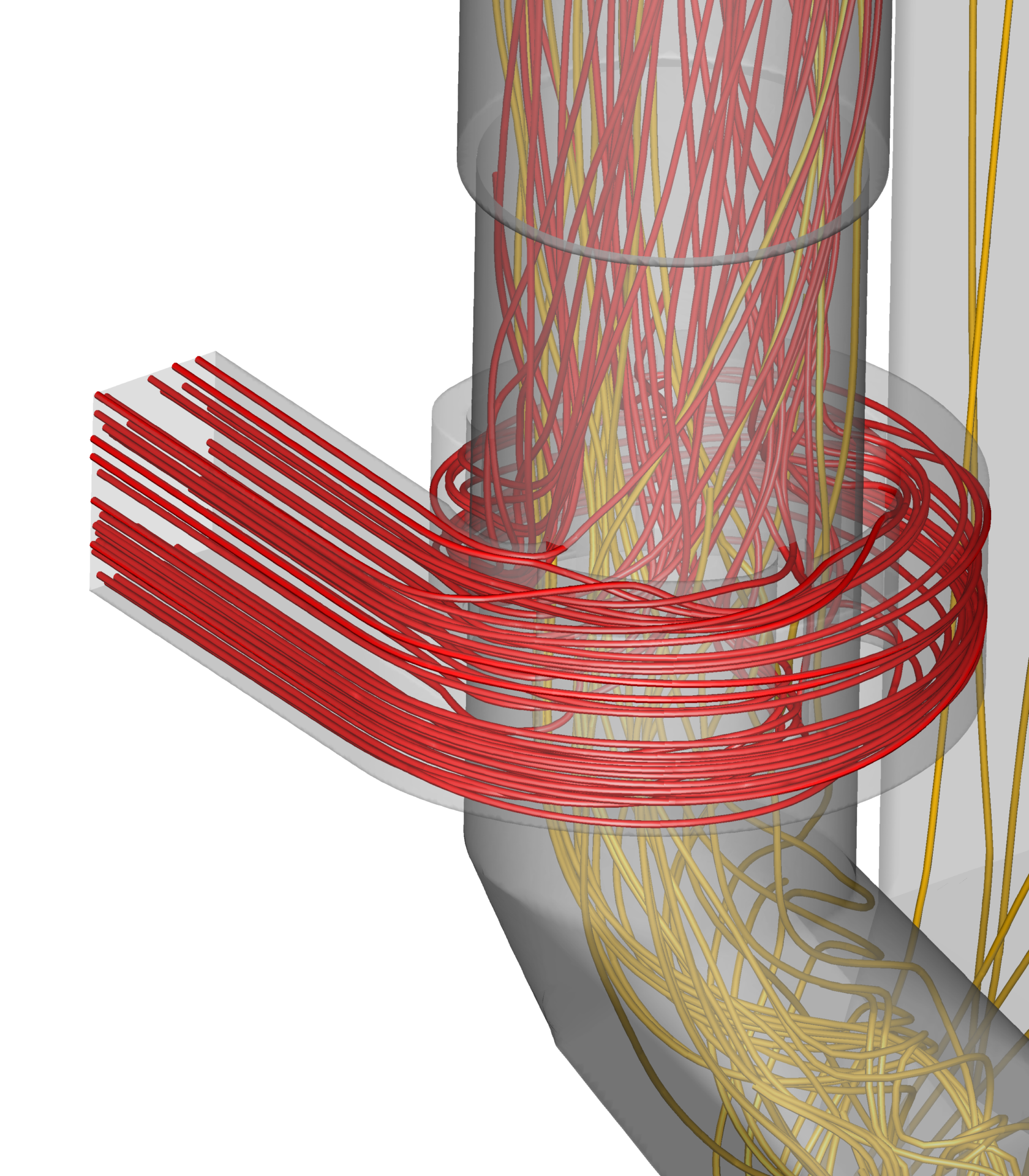
Before implementing a project—or simply to evaluate the potential for a profitable investment in process improvement—it is essential to analyze existing cement process conditions to identify areas for potential change.
After jointly defining the objectives of the plant analysis, a team of engineers conducts the necessary process studies, including measurements of temperature, pressure, and gas/material flow profiles, as well as gas analyses and other key parameters.
CFD process simulations make it possible to model the movement of raw materials in chutes and bunker outlets, the gas flows in the calciner and kiln flame, the material flow through the clinker cooler, and the separation of the finished product in the cement mill’s classifier. In close cooperation with our business partner Aixergee, we focus on effective and sustainable solutions.
Based on these measurements, detailed mathematical heat and mass balance calculations are performed to identify bottlenecks and opportunities for improvement. In addition, mathematical simulations are developed using modified equipment configurations.
The results of the study, along with technical recommendations for improvement, are ultimately compiled into a comprehensive report.
Cement process studies can be conducted on individual pieces of equipment—such as raw mills, coal mills, coolers, or cement mills—as well as on entire plants, including all parts of the process.
With today’s constantly fluctuating energy and fuel costs, coupled with rising demand for higher production capacities and consistent product quality, the global cement industry is compelled to implement improvements and modernizations to existing plant facilities.
A TEC is currently one of the world’s leading companies in the field of retrofitting existing cement kiln systems to reduce energy consumption —both in terms of fuel and electricity —and to increase production capacity.
To achieve the aforementioned improvements, the pyroprocessing system as well as the grinding and cooling equipment must be analyzed.
In today’s highly competitive market environment, modern and cost-effective process engineering is a fundamental requirement for any manufacturing company.
A TEC offers expert solutions ranging from consulting to turnkey plants:
* Feasibility studies
* General project planning
* Plant and process engineering analyses
* Plant and process engineering optimizations
* Engineering solutions
* CAD/CAM (2D and 3D)
* Environmental protection solutions
Alternative fuels, sometimes referred to as secondary fuels, are a hot topic in modern cement production.
In the mid-1980s, Europe and Japan—and now the entire world, including developing countries—began incinerating all kinds of waste.
The idea that almost all types of waste can be used as a substitute for fossil fuels in modern cement plants without negative environmental impacts sparked a global “revolution” in the cement industry.
From an environmental perspective, burning alternative fuels in cement plants is far better than burning them in conventional waste-to-energy plants—or, even worse, landfilling them.
Combustion at flame temperatures exceeding 1600°C makes the emissions virtually free of hazardous components (e.g., dioxins), which are a major hurdle in conventional waste incineration. The fact that cement plants replace fossil fuels with alternative fuels leads to lower overall CO2 emissions.
Today, the list of possible alternative fuels is almost endless. The most common are municipal solid waste (MSW, RDF), plastic waste, passenger car tires, waste wood, rice husks, sewage sludge, animal meal, waste oil, and solvents.
Due to its high energy intensity and constantly changing operating conditions, the cement industry faces a constant need to optimize its technical processes. To effectively address your challenges, we rely on powerful, modern tools such as computational fluid dynamics (CFD).
From the movement of raw materials in chutes and bunker outlets to gas flows in the calciner and kiln flame, the bed flow in the clinker cooler, and the separation of the finished product in the cement mill’s classifier, we can model all processes in collaboration with our partner Aixergee.