Optimized afterburning for maximum fuel efficiency
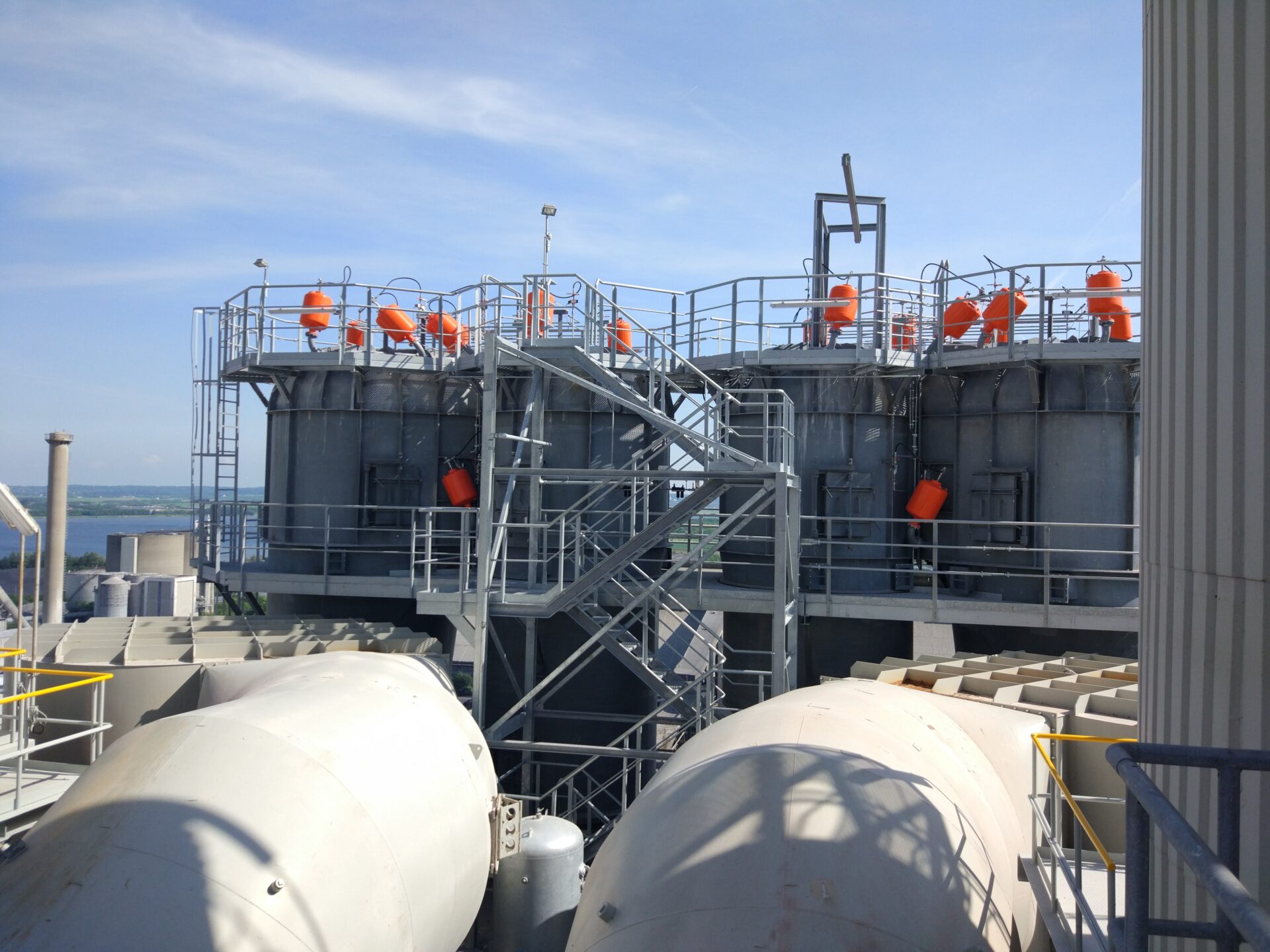
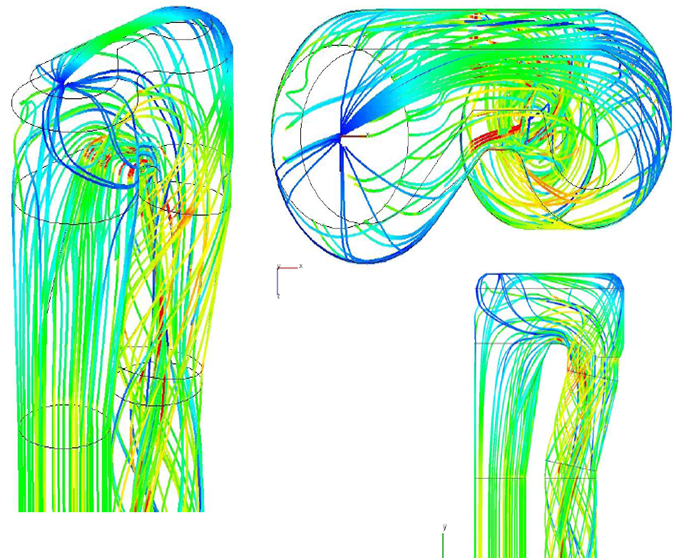
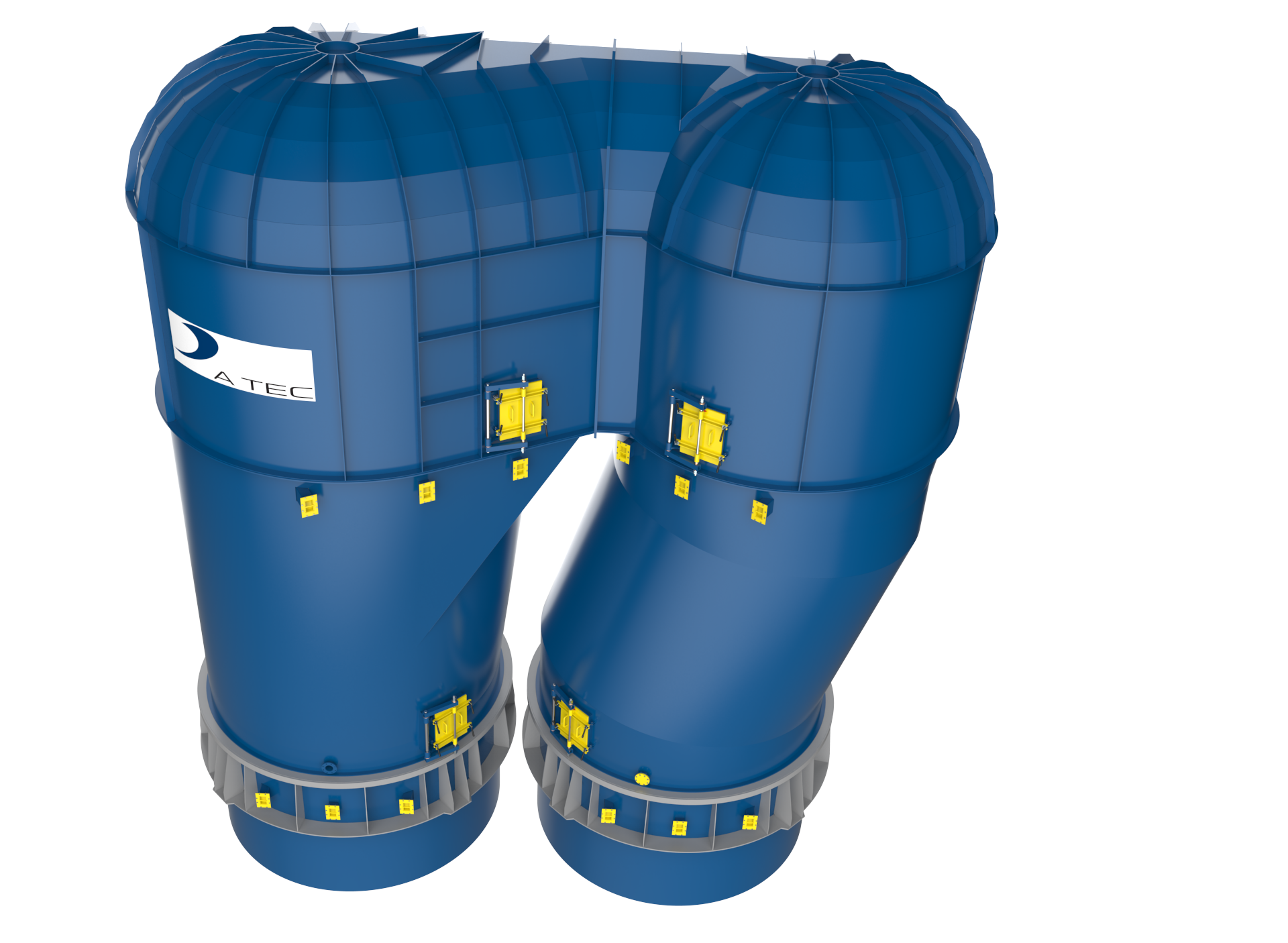
The A TEC Post Combustion Chamber (PCC) is an innovative post-combustion solution installed in the upper section of the calciner . It specifically improves the mixing of combustion gases, tertiary air, and substitute fuels that have not yet been completely burned. The optimized flow pattern creates ideal conditions for efficient post-combustion.
The improved mixing increases contact between oxygen and fuel particles, enabling even hard-to-burn or coarser alternative fuels to achieve significantly better burn-out. At the same time, CO spikes are reduced and combustion quality is sustainably improved.
The extended effective reaction time in the upper section of the calciner further optimizes the combustion of the substitute fuel before the process gases enter the first cyclone. This results in higher energy efficiency, more stable process control, and a reduction in unburned fuel particles.
Another key advantage of the A TEC Post Combustion Chamber is its easy integration into existing plants. It can be installed in place of the existing gooseneck, making it a cost-effective retrofit solution for optimizing existing calciner systems in terms of combustion quality and the use of alternative fuels without the need for extensive modifications.
Benefits at a Glance:
- Optimized mixing of combustion gases, tertiary air, and alternative fuels
- Improved Combustion of Alternative Fuels in the Upper Calciner Section
- Reducing CO Emissions Through More Efficient Afterburning
- Higher energy efficiency and more stable process control
- Enables higher substitution rates for alternative fuels
- Fewer unburned fuel particles before the first cyclone
- Retrofit solution for existing systems
- Easy to install as a replacement for the existing gooseneck
- Minimal modification required for a significant improvement in combustion performance
The A TEC Post-Combustion Chamber offers an efficient and cost-effective way to prepare existing calciner systems for the increasing demands associated with the use of alternative fuels, while simultaneously reducing emissions and sustainably improving process efficiency. Improved post-combustion and reduced CO emissions.